

Introduction
If you’re like most people, you probably think of blindness as a fate that befalls the unlucky. But in fact, blindness is a widespread disease that can be caused by a variety of conditions. If you’re not careful, one of these 5 diseases could steal your vision. Here are the five:
- Age-related macular degeneration
- Diabetic Retinopathy
- Glaucoma
- Retinal detachment
- Eye stroke
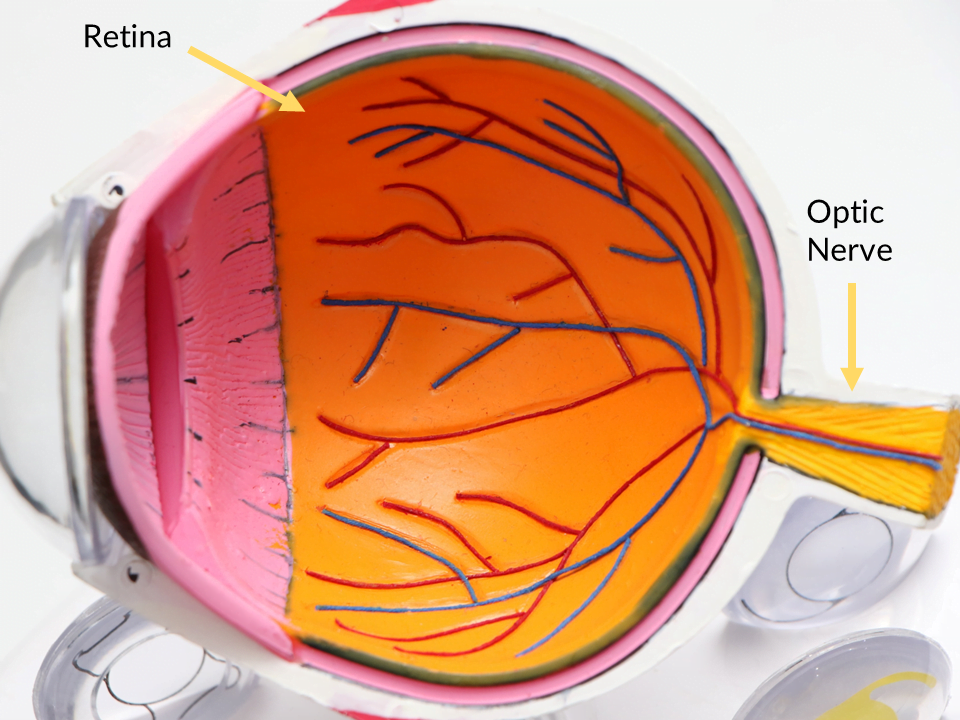
These eye diseases mainly affect the back part of the eye that is responsible for capturing light and sending signals to your brain that allows you to see. The two major parts in the back part of the eye is the retina and optic nerve. The retina is a thin layer of tissue that covers the back of the eye. It contains more than 100 million cells that are specialized to detect light. When light enters the eye, it passes through the lens and strikes the retina. The retina sends signals to the brain through the optic nerve to allow us to see.
The optic nerve is a long, thin bundle of nerves that extends from the brain to the eye. The nerve fiber optic information travels along the optic nerve to the retina where it is processed by the visual cortex. Damage to the optic nerve can cause vision loss in one or both eyes.
Why are the eye disease dangerous?
One of the scariest things about these eye diseases is that many of the sufferers have no symptoms. This means that you could have a serious eye disease and not even know it. As a result, these diseases can go undetected for a long time, and by the time you do realize something is wrong, it might be too late.
Some eye diseases, like glaucoma, can even be silent. This means that you might not notice any changes in your vision and still have the disease. And without regular check-ups, it’s likely that you won’t find out until it’s too late.
Other eye diseases, like retinal detachment, can cause sudden changes in vision. If you start having trouble seeing out of one or both eyes, it’s important to get checked out right away. Retinal detachment can cause blindness if they’re not treated.
How does the eye disease affect the eyes?

Age-related macular degeneration (AMD)
AMD is a cause of vision loss in older people. It is caused by the build-up of proteins in the macula, the part of your eye that helps you see fine details. Over time, this protein build-up can lead to gradual vision loss due to leakage of blood into the retina. There is no one cause of AMD, but it can be affected by a variety of factors, including age, smoking, and genetics.

Diabetic Retinopathy
Diabetic retinopathy is a complication of diabetes mellitus that can lead to blindness. It occurs when the blood vessels in the eye become damaged from high blood sugar levels. As the blood vessels leak, they create a visual disturbance called retinopathy. Chances of retinopathy increases significantly the longer the person has diabetes.
Glaucoma
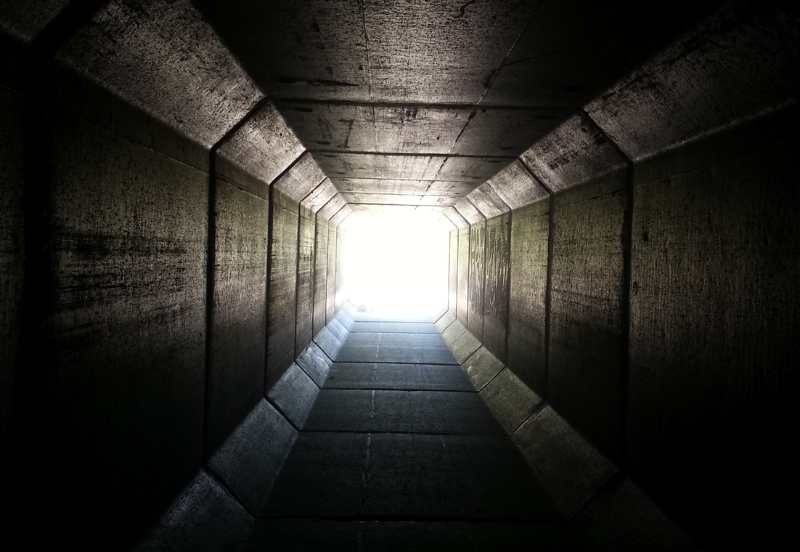
Glaucoma also known as the “silent thief of sight” is a condition that results from damage to the optic nerve, which transmits images from the eyes to the brain. The pressure within the eye can increase to such an extent that vision is lost. In most cases, glaucoma is caused by an increase in pressure inside the eye that damages the optic nerve. There are several types of glaucoma, and the cause may be different for each person. Early diagnosis and treatment is essential for preserving vision.
Retinal Detachment
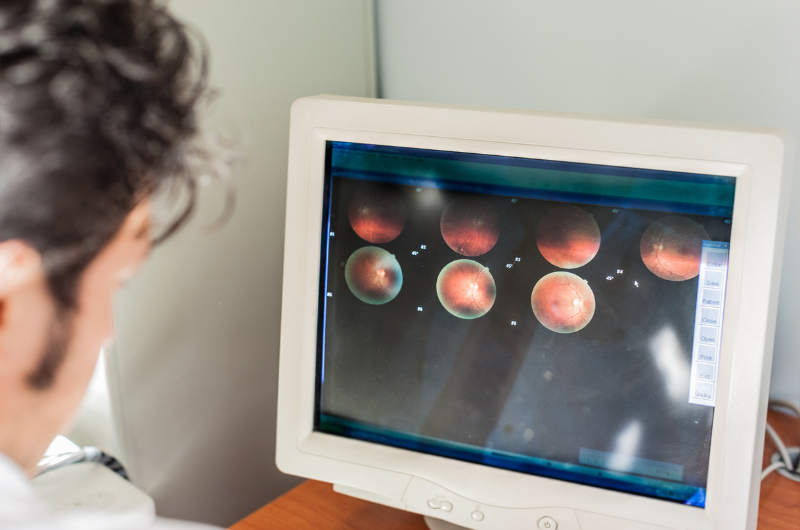
Retinal detachment is a serious eye condition that can lead to blindness. It occurs when the layer of tissue that covers the back of the eye (the retina) separates from the underlying muscle and nerve tissue. If the detachment is large, fluid may seep into the eye and cause vision loss. It is critical to get treatment as soon as possible as vision loss due to retinal detachment may be permanent.

Eye Stroke
An eye stroke is a medical emergency that can happen when blood flow to the eyes is cut off. This can happen because of a stroke, a bleed in the brain or a head injury. People with eye strokes may experience sudden blindness, slurred speech, and seizures. The cause of eye strokes is unknown, but they are believed to be caused by a burst blood vessel in the brain.
What symptoms or signs should you look out for?
Eye Floaters
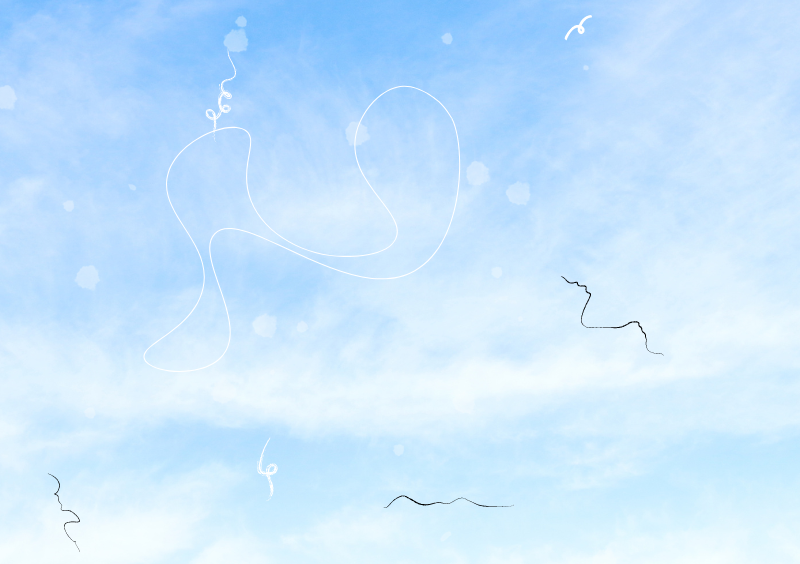
Eye floaters are small specks, or sometimes strings, that appear within the eye. They can be seen with the naked eye and typically move around erratically under bright environment. Eye floaters are not dangerous and usually go away on their own without any treatment. However, if there are sudden dramatic increase in the number of floaters along with random flashes, it is best to have your eye examined as soon as possible as there may be bleeding in your eye.

Sudden Flashes of light
Flashes of light are like seeing lightning streaks that happen in the eye even in the dark room. This usually happens when there are traction forces pulling on the retina resulting it from causing the symptoms. This usually happens right after a head or eye trauma where there is sudden excessive forced caused to those areas. This can be a sign of retina tear/detachment and it should be checked early to ensure that the retina is healthy.

Sudden loss of vision
You might notice that your vision is getting dimmer or even a decreased visual field, causing you to lose your peripheral vision. This sudden loss of vision can be a frightening experience for anyone. It can leave someone feeling helpless and unsure of what to do. There are several things that can cause sudden loss of vision, and it’s important to get evaluated as soon as possible to find out what’s causing the problem.
What can you do?
The adage: ‘Prevention is better than cure’ is very true in the context of preventing sight threatening eye diseases from causing blindness. A regular eye check is the best way to prevent eye diseases. An eye exam can detect problems with your vision and health of your eyes before they become worse. The eye exam that you are looking for will need to include the examination of the back part of your eye that checks for the health of your retina and optic nerve.
The benefit of having a trip down to your eye care professionals will outweigh the costs of having your eyesight stolen by eye diseases. If you are unsure if you are due for an eye examination, read our previous article “Are you due for an eye sight test?” to find out how often you should have your eye examination done.
I will leave a quote by Benjamin Franklin “An ounce of prevention is worth a pound of cure”.
Remember to get your eye examination done!